Define The Waste Before Collection
Asbestos disposal in Manchester needs to begin with a clear account of what the waste is and where it is stored. Detached cement sheets, wrapped materials from planned removal and debris after accidental damage are different situations. The collection arrangements should follow the material’s condition and the risks of handling it.
Tell us whether the material is still fixed in place or has already been detached. Collection of safely prepared waste is not the same service as removal from a building. If there is loose debris or damaged material, avoid moving it and seek a competent assessment before trying to prepare the area for a collection.
Waste Duties In England
Asbestos waste is hazardous waste and must be managed through an appropriate disposal route. Waste holders need to check that the people collecting it are authorised and that the receiving facility can accept it. GOV.UK hazardous waste guidance describes the responsibilities that apply to producers, carriers and receiving sites.
The waste route is separate from deciding whether removal work needs an HSE licence under the Control of Asbestos Regulations 2012. A waste carrier registration does not, by itself, demonstrate competence to undertake every type of asbestos removal. Check both the work arrangements and the disposal arrangements for the actual job.
Packaging And Storage Arrangements
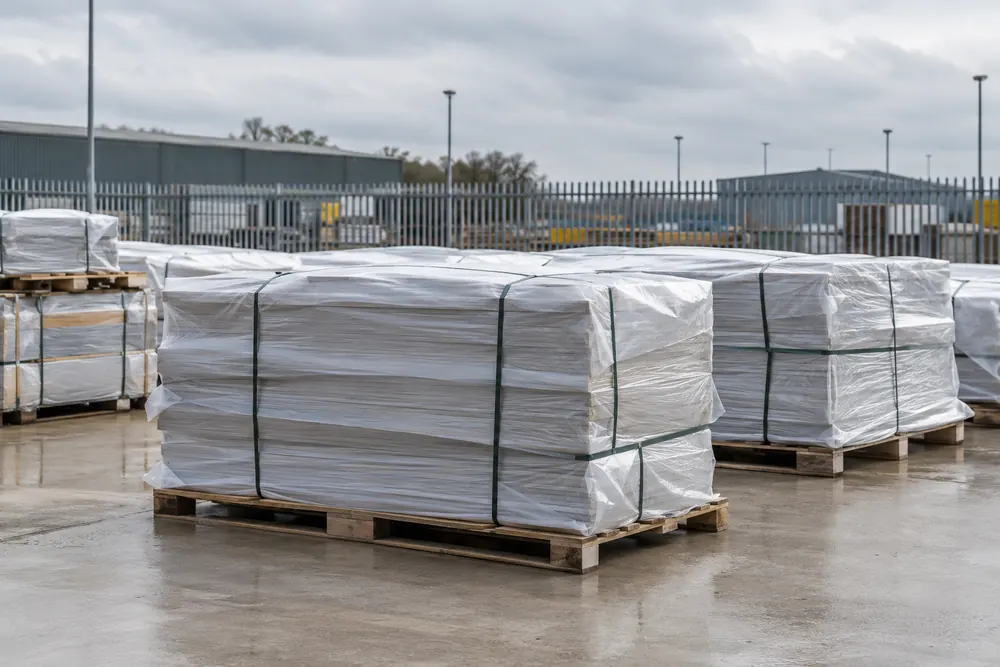
Asbestos waste needs suitable sealed packaging or wrapping that prevents fibre release during storage and transport. The chosen method depends on the waste form and dimensions. HSE’s EM9 disposal guidance explains the principles for asbestos waste from relevant non-licensed work.
Do not break sheets into smaller pieces to fit a vehicle or ordinary bin. Keep other people away from stored material and tell the collecting contractor about any damaged packaging. If the waste cannot be safely inspected without handling, describe the situation from a safe position and let the competent person decide what is needed.
How A Planned Collection Works
First, establish the material type using existing reports where available and explain how it came to be waste. Provide an approximate quantity, dimensions, storage location and access information. Photographs can help with planning if they can be taken without disturbing the waste or entering a potentially contaminated area.
The contractor then confirms whether collection alone is suitable or whether preparation, packaging or a wider clean-up assessment is required. Agree the loading arrangements, vehicle access and authorised destination. At handover, obtain the appropriate records and keep the details of the collection with the project file.
The Paperwork To Ask About
For commercial hazardous waste movements, consignment documentation is an important part of demonstrating the waste route. Confirm the paperwork for the waste type, collection arrangements and receiving facility before the collection takes place. Ask what document you will receive, who completes it and how the destination will be recorded before accepting the collection.
A receipt describing a generic rubbish collection may not provide the information you need. Check that the material and collection details are accurate and keep a copy of the applicable consignment record. If a removal contractor is organising the waste, confirm how those records will be provided at completion.
What Affects Disposal Cost
Disposal cost depends on the material, quantity, packaging condition, handling requirements and access. Collection from a clear loading area differs from waste stored behind a building with no vehicle approach. Large intact sheets, awkward shapes and contamination concerns can change the handling method and the resources needed.
Ask whether the quote includes any packaging, loading labour, transport and disposal charges. Clarify how the quantity will be assessed and what happens if the material differs from the description supplied. A clear account of the waste at the enquiry stage helps avoid a collection being arranged for a job that needs a different response.
Commercial Waste And Wider Building Work
Facilities managers, landlords and contractors should confirm the receiving site accepts the asbestos waste from their premises before arranging transport. Booking conditions, accepted materials and restrictions vary. Share the waste type, quantity and packaging details with the appointed contractor, and agree collection access and the destination before material is moved.
If the material is still attached to an outbuilding, roof or internal structure, begin with asbestos removal planning. If its identity has not been established, material testing may be the first step. Disposal should sit within a joined-up plan for the building, rather than being treated as ordinary clearance at the end.